Luminary World Corruption and Dreadnought Scaling
Dark magic layers the OpenZone — cleanse Towers and Life Trees to weaken the apex threat and unlock safer exploration.
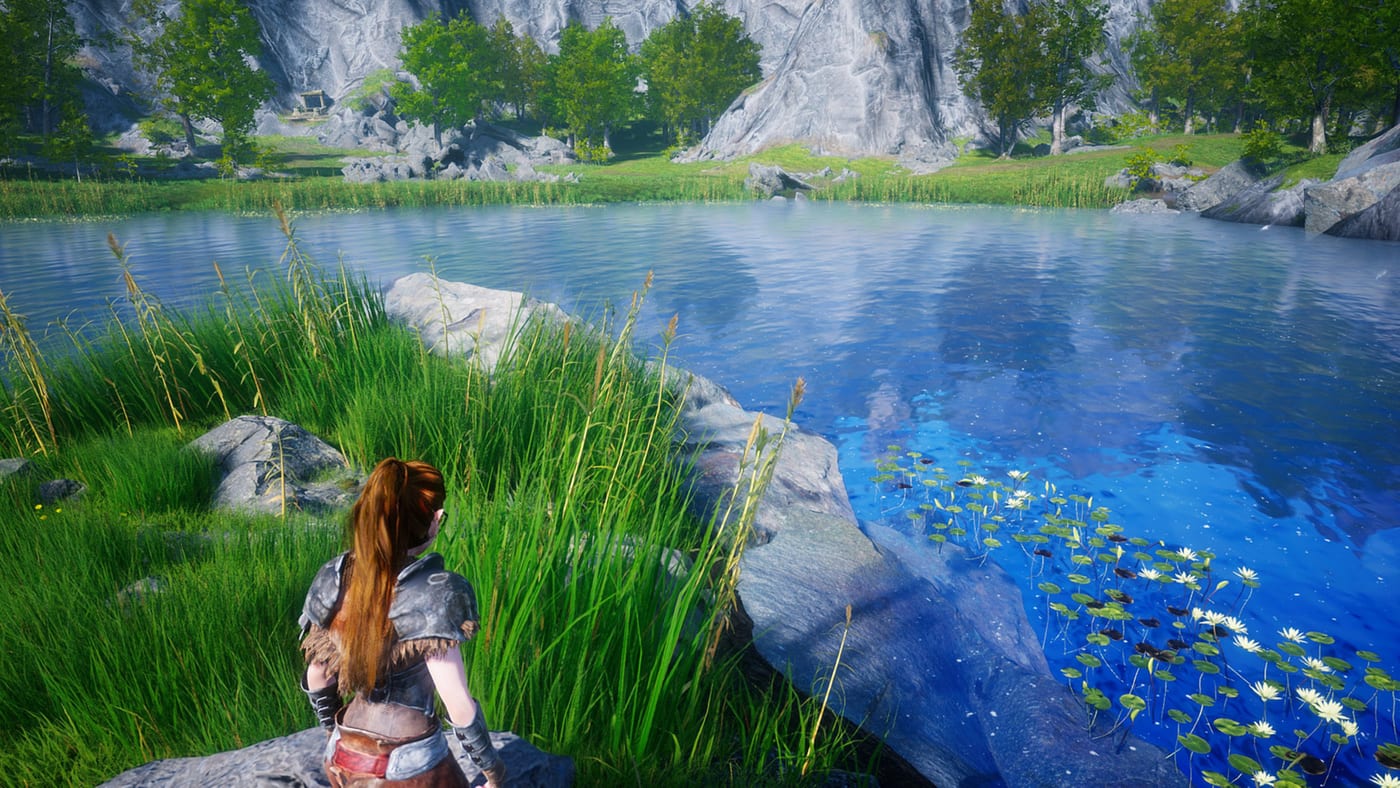
World corruption is Luminary’s macro difficulty dial — not a hidden stat on your character sheet but a measure of how much dark primal magic still saturates the OpenZone. Refractive Entertainment ties enemy health, regeneration, elite patrol aggression, regional debuffs, and the colossal Dreadnought apex threat to how much of the map remains uncleansed. Steam Early Access went live August 11, 2026 at $19.99 with the full corruption loop active across roughly half the planned two-kilometer-square world. Solo players and three-player online drop-in/drop-out co-op share one ruleset: cleansing progress on the host world lowers pressure for everyone when shared progression aligns per Shared Progression.
Read World Overview for compass layout and fog rules, then Towers and Life Trees for the landmarks that actually drain corruption. Combat walkthroughs live in Liberate Towers and Boss Fights — this guide explains the system, not individual phase telegraphs.
What world corruption measures
Think of corruption as stacked layers:
- Regional corruption — each active Tower projects a bubble where trash mobs hit harder, camps respawn faster, and ambient ticks drain stamina or healing.
- Landmark corruption — uncleansed Life Trees add debuff auras that stack with nearby Tower zones.
- World corruption — the aggregate score Refractive uses to scale the Dreadnought and tune frontier difficulty before the campaign end boss.
The UI may not show a single global percentage at all times, but players feel the curve: starter wedge near hub town stays forgiving while frontier zones before the fog wall punish under-geared pushes. Early Access day-one geography still ends with a full campaign conclusion — corruption pacing is tuned for half-map completion, not empty grind.
How Towers and Life Trees lower corruption
Cleansing actions remove layers in predictable order:
Life Tree rescue — reduces ambient debuffs in the compass neighborhood. Healing reduction, elemental vulnerability, and stamina drain soften so Tower interiors become survivable. Trees rarely flip travel gates alone but they drop regional corruption pressure measurably.
Satellite camp clears — camps buff active Towers; destroying bonfires and corruption foci weakens the spire before you enter. See linked camp chains in Camps and Treasures when routing a regional cleanse.
Tower liberation — the largest corruption drop per region. Liberating a Tower opens travel lanes, keeps linked camps down longer, unlocks vendor recipes at Town Hub Overview, and contributes to world-level Dreadnought vulnerability. Interior phases are covered in Liberate Towers.
Stack all three in one compass direction before wandering into the next — partial cleanses leave Dreadnought scaling higher than necessary.
Dreadnought scaling and when to fight
The Dreadnought is Luminary’s spider-like apex predator connected directly to world dark magic. Unlike a static raid boss at map edge:
- It can spawn in random overworld locations early in a session.
- Its effective health, damage, and defensive layers scale with remaining corruption.
- Charging it before regional cleanses is a deliberate wipe — community Early Access week-one reports treat early Dreadnought pulls as learning moments, not progression gates.
Smart pacing:
- Liberate at least one full Tower chain plus Life Tree in your starter region.
- Upgrade Blacksmith and Armorer tiers at hub using ore from Mining loops.
- Confirm trash mobs in mid-compass regions die in reasonable time-to-kill.
- Scout Dreadnought from Bow elevation — tag, do not commit — until Boss Fights checklists pass.
Each Tower liberation and major camp chain nudges the Dreadnought toward killable thresholds. Tier difficulty after the end boss remixes familiar zones without resetting corruption knowledge — see Hall of Heroes and Endgame.
Regional difficulty curve
Corruption scales outward from active Towers. Typical day-one half-map pattern:
- Hub-adjacent wedge — tutorial camps, low elite density, fishing and mining safe loops.
- Mid-compass bands — linked camp chains, first full Tower interior, Life Tree debuffs if ignored.
- Frontier pockets — highest ambient ticks and elite patrol overlap before fogged expansion borders.
Under-geared players notice longer fights and harsher debuff stacks — fix at Vendors and Crafting before blaming weapon choice. Corruption is environmental pressure, not a level gate you can brute-force with one over-upgraded sword.
Co-op split exploration
Three-player co-op shines when parties split corruption duties instead of trio-stacking one Tower door:
| Role split | Map task | Corruption impact |
|---|---|---|
| Scout | Bow ridgeline tags camps and Life Tree pulses | Prevents surprise buff stacks |
| Camp breaker | Melee clears outer pickets | Weakens Tower before group commit |
| Gatherer | Mining or fishing loop near cleansed lane | Funds hub upgrades that outscale corruption |
Hosts should announce active compass direction so drop-in guests from How Co-op Works do not pull unrelated frontier elites. One player can channel Tower liberation while others hold adds — corruption drops apply to host world state per shared progression rules.
Splitting regions across sessions also works: one player clears an east camp chain while another rescues a west Life Tree, then the group reunites for the Tower core. Corruption falls faster than solo serial cleansing when communication stays tight.
Hub upgrades and corruption feedback
Town progression is not cosmetic — hub upgrades from Town Hub Overview translate corruption income into gear that makes the next region tolerable. Chef meals offset ambient ticks; Armorer pieces fix chip damage from corrupted trash; Arcanist utilities interrupt elite casts in high-corruption bubbles.
Return to hub when regional time-to-kill exceeds comfortable thresholds — that signal usually means corruption plus gear mismatch, not player skill failure.
Session templates by corruption goal
Corruption scout (30 min) — tag one Tower, one Life Tree, and smoke columns without committing interior. Map pin for next session.
Regional cleanse (90 min co-op) — outer camps, Life Tree rescue, vendor pass, Tower liberation attempt.
Dreadnought prep evening — two partial regions cleared, hub crafting block, review Boss Fights break-bar notes before overworld scout.
Demo versus Early Access corruption
Very Positive demo geography compresses corruption layers on a smaller slice — players learned Tree and Tower language without full Dreadnought payoff. Early Access applies the same math across half the final map. Demo patch 0.10.32.0071 adjusted elite density; revisit regional pulls if you skipped updates.
Common mistakes
- Pulling Dreadnought because the silhouette looks like a normal world boss.
- Skipping Life Trees while rushing Tower cores — stacked debuffs mimic corruption spikes.
- Trio-stacking one region while leaving opposite compass corruption untouched.
- Ignoring hub meals before entering frontier corruption bubbles.
- Assuming corruption resets each login — host world liberation persists.
Return to Map Hub after major corruption drops to pick the next compass heading, or Town Hub Overview when gear upgrades should precede another cleanse push.
Frequently Asked Questions
Quick answers to the most common Luminary questions.
What is world corruption in Luminary?
World corruption measures how much dark magic still saturates the OpenZone. It scales enemy stats, regional debuffs, and Dreadnought strength until you cleanse Towers and Life Trees.
How do Towers and Life Trees lower corruption?
Rescuing Life Trees removes ambient debuffs. Clearing camps weakens linked Towers. Liberating a Tower delivers the largest regional corruption drop and opens travel lanes.
When should I fight the Dreadnought?
After at least one full regional cleanse, hub gear upgrades, and comfortable mid-map time-to-kill. Early pulls scale with remaining corruption and usually end in wipes.
Does corruption affect co-op guests?
Host world corruption and liberation state follow shared progression rules. Guests benefit from host cleanses when session rules align — confirm in Shared Progression before assuming permanent drops.
Can I ignore corruption and rush the campaign?
Traversal allows wide movement, but frontier corruption plus Tower buffs create gear checks. Cleansing lowers pressure and makes boss routes from Boss Fights guides manageable.
Does corruption reset when I log out?
No. Tower liberations, camp clears, and Life Tree rescues persist on the host save. Only uncleansed regions keep corruption pressure active.